Continuing Education for Massage Practicioners Seattle
Featured Classes (click on class title links for class details)
This class has been full for months, but we have had a recent drop. We have 1 space available. This is a unique and unusual class that will greatly expand your awareness of the healing potential of cranial work, and therefore improve your professional skills. Cranio-Sacral work is very effective at resolving trauma as it subtly allows the body to work out and release the cellular memories of trauma. In this class you will first learn how to establish resources as a foundation for working with trauma in a safe way. Then you will look at how injuries physiologically turn into trauma and learn effective ways of releasing them, even years after they occurred. You will work with the fascia to increase the flow of the cranial fluids in order to free up blocked energy. An important focus is given to the hyoid and mandible to unlock expression and creativity, which are often stifled through trauma. You will support the body in releasing often debilitating cellular memories of trauma in long unwinding sessions. Some of these sessions are held in a swimming pool in Redmond, working in practitioner trios. The work in water enhances the natural fluidity of the body found in the cranial tides and is very freeing and revitalizing. Working as practitioner trios is wonderfully healing for the recipient of the work, and deeply and enduringly informative for both practitioners. As you learn on many levels in this class, you will also personally heal. Pre-requisite: You must have taken either the Cranio-Sacral Introductory Workshop with either Ursula Popp or Lauren Christman or have other education and experience in Cranio-Sacral work and have instructor permission.
Unwinding: The Key in Moving from Trauma to Health -- Ursula Popp 
- Aug 27-30 Unwinding: The Key in Moving from Trauma to Health - 28 hours (Seattle)
Advanced Whiplash Treatment -- Don Soran, DC 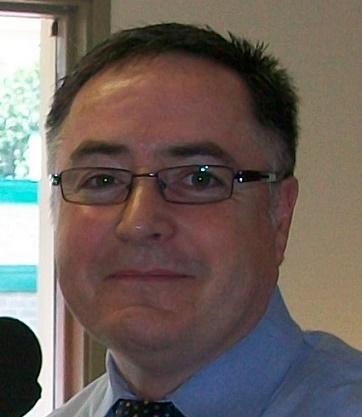 Dr. Soran has "Whiplash and Brain Traumatology Advanced Certification" from the Spine Research Institute of San Diego and has certification in SAE Accident Reconstruction (Vehicle Dynamics related to Accident Reconstruction). Throughout this hands-on class, Dr. Soran will show videos of actual accidents involving real people in various controlled situations with the class and discuss the dynamics of the impacts, so students can understand how the body is affected in collisions and how speed and type of collision create different types of injuries.
- Sep 16 Advanced Whiplash Treatment - 8 hours (Seattle)
Our primary focus is assessment-driven myofascial work.
Myofascial Balancing: Balance in the Spine and Ribcage -- Richard Polishuk and Lauren Christman  Balance in the torso is a fascinating and sometimes confusing topic. In large part, this is because the torso includes two intricate, highly mobile, and interdependent structures: the ribcage and spine. In this course, we will evaluate and treat localized patterns between individual vertebrae or ribs, as well as overall patterns of alignment and function, including:
- Begins September 16, Ends May 6 Myofascial Balancing: 5 Classes - 80 hours -- Therapists may register for all 5 classes with this link and save $201 or take the following individual classes:
- Sep 16-17 Myofascial Balancing: Balance in the Spine and Ribcage - 16 hours (Seattle)
- Nov 11-12 Myofascial Balancing: Balance in the Shoulder Girdle & Arms - 16 hours (Seattle)
- Jan 20-21 Myofascial Balancing: Balance in the Neck and Head - 16 hours (Seattle)
- Mar 10-11 Myofascial Balancing: Balance in the Pelvis, Sacrum and Low Back - 16 hours (Seattle)
- May 5-6 Myofascial Balancing: Balance in the Hips, Legs, Knees & Feet - 16 hours (Seattle)
The Neuroendocrine System, Stress & Massage and Introduction to Visceral & Abdominal Massage -- Brian Utting
Introduction to Visceral & Abdominal Massage: In this class you will learn simple and effective abdominal massage techniques that are easy to integrate into your massage practice. You will learn the basic layout of some of the area's major anatomical structures and how to identify, palpate, and treat them. This class will make your abdominal work more comforting, intelligent, and effective. You will be able to help your clients achieve deeper states of relaxation, relieve pain, improve digestive function, and help free up deep structural imbalances. The sensitivity and vulnerability of the belly is precisely why it is so receptive to safe, calming, and nourishing touch. We can soothe the enteric nervous system and the soft underbelly, sending waves of deep relaxation throughout the entire body. We can relax the smooth muscles of the intestines, which reduces pain, improves digestive function, and eases the fascial pull in the back and other areas of the body. We can sometimes separate post-surgical adhesions, creating balance and increased ease of movement at the very core of the body. 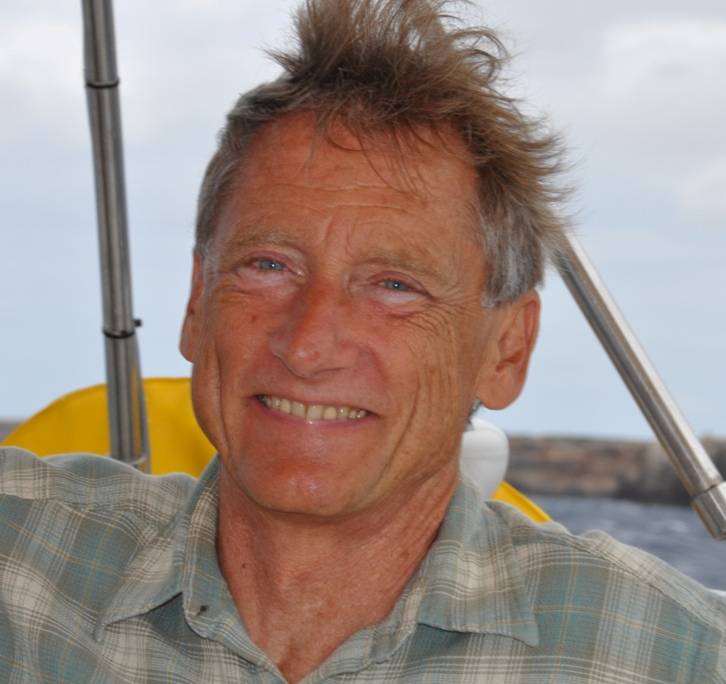 The Neuroendocrine System, Stress & Massage: In this class we will explore the nature of stress, some of its paradoxes, and how to skillfully work with them. We will examine the anatomy and physiology of the autonomic nervous system and the endocrine system, how those systems upregulate in times of stress, and why. We will investigate the etiology of stress-related diseases and disorders caused by autonomic-neuroendocrine imbalance; they are rampant in our culture. We will then look at how massage and other external (and internal) factors can remedy distress and stress disorders, and positively influence health and balance. You will learn how to better manage your own stresses, and how to help your clients manage theirs.
Ethics for Washington LMPs -- Kay Rynerson & Dawn Schmidt
Ever wonder what your rights and responsibilities are if you are sexually harassed by a client? How the state defines a kickback? What you can legally sell? For how long are you required to keep medical records? What's the difference between an employee and an independent contractor? How long you have to wait if you want to date a client? What does HIPAA mean to you? What do you do if you know someone is practicing massage without a license? Can you charge a higher rate for insurance clients? These questions and many more will be answered in a 4-hour ethics class specific to residents of Washington. Through the use of discussion topics, scenarios, self-examination and small-group interaction, we will tackle larger issues as well, such as personal boundaries, client communication and ethical business practices. Be prepared to have fun! 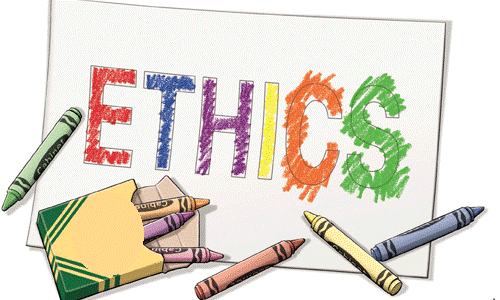
Pediatric Fascial Balancing for Toddlers -- Lauren Christman
 Working with young children (age 7 months - 2+ years) is probably the most fun a practitioner is likely to have. They are vital, mobile, tremendously present and prone to a range of modest health challenges. In this introductory course, we will look at the essential skills for working safely and effectively with infants and toddlers. To treat them, we will use a blend of myofascial, visceral and cranial techniques aimed at the relatively healthy child. This class will include:
- a brief overview of skeletal alignment and motor development, so we can appreciate which patterns and movements are "age appropriate," and when intervention is required
- treatment strategies for common pediatric conditions such as digestive upset (from allergies or stress), head bumps or compressions (from increased physical activity), hip dysplasia, and commo
 n soft tissue restrictions that limit crawling and gait
 - techniques will include mobilization of facial bones and cranial base; visceral treatment of the GI tube and respiratory structures; joint decompression; and gentle release of myofascia, and dural sleeve
- clinical portion to allow students to practice on volunteer models in a supervised setting; students work in trios or pairs depending on number of models available
- Sep 23-24 Pediatric Fascial Balancing for Toddlers - 14 hours (Seattle)
- For more of Lauren's classes, click HERE. She teaches myofascial, cranio-sacral and intraoral classes.
Polarity Therapy Revitalizing Energy Session -- Kate Bromley
We will review the chakras, 5 elements, body zones and relationships, the five and six pointed stars and the three principles of Air, Fire and Water. Bodywork sessions include two routines working with the relaxing energy of the chakras. The Oval Balance protocol introduces myofascial connections and cavities of the body. This routine helps to balance the energy in each oval and supports the organs and endocrine glands located in each oval. The Immune Booster Protocol directs energy to stimulate major endocrine glands and balances and strengthens the immune system. The Air, Fire and Water Principle Protocols support the movement of the three major currents of energy in the body. Come prepared to give and receive some very interesting and effective Polarity bodywork protocols. This class is part of the Associate Polarity Practioner (APP) certification study of Polarity Therapy and can be taken as a continuing education class separate from certification. It includes some wonderful energy protocols that are easy to add into your practice and combine with other types of bodywork.
- Sep 23-24 Polarity Therapy Revitalizing Energy Session - 16 hours (Seattle)
- Oct 14-15 Polarity Therapy General Session - 14 hours (Seattle)
- Dec 2-3 Polarity Therapy Structural Session - 16 hours (Seattle)
- For more Polarity Therapy classes and details about the Associate Polarity Practitioner (APP) Certification Program, click HERE.
Introduction to Trager: The Art of Oscillatory Compression -- Joe Rodin
About This Class: Although Trager is it's own bodywork modality, it can be used to greatly enhance other styles of massage. In this class you'll: Breast and Chest Massage -- Barbara Helynn Heard The chest and breast massage taught in this class is intended to be easily integrated into a holistic, full body session to relieve tension, stress and pain, and to increase our clients' ease of movement in both the upper and lower body. This work consistently helps clients feel and connect with their whole body in a wonderful way that many have not previously experienced. Emphasis is placed on making our touch safe, pleasant, sexually neutral, and effective for both female and male clients. In many of the techniques taught, pressure is directed to the muscles and ribs located deep to the mammary glands which are within breast tissue. Students will learn massage techniques which are done with the chest draped and other techniques which are done bare chested/breasted for both men and women. For full class details, please click on the link below:  What is Trager? Trager is a unique, neuromuscular approach to bodywork and movement re-patterning. The tablework consists of deep, fluid rocking movements (oscillations) of muscles and joints combined with compression and gentle traction. This feeds into the nervous system resulting in dramatic muscular relaxation, along with feelings of lightness, freedom and flexibility. The client is also shown simple exercises called mentastics which helps integrate the profound changes in the body.
This Introductory Workshop serves as a prerequisite for the Trager® Level 1 Training leading towards certification as a Trager Practitioner.
 In this class students will learn massage of the ribcage, chest and breasts to support healthy breathing and general stress relief within full body wellness massage. Students also learn how this massage can benefit clients living with breast cancer, breast augmentation, breast reduction, mastectomy, fibrocystic breast tissue, and other non-cancerous breast conditions.
This course meets the Washington State training requirements defined in WAC 246-830-555 for specialized training in breast massage.
Advanced Neck: Aligning Cervical Vertebrae with Spinal Mechanics -- Marty Morales As massage therapists, when we work with the neck, our focus is generally to decrease the hypertension in muscles and to decrease adhesions and fascial restrictions with the intent of improving the quality and quantity of neck mobility. When we do this, we are potentially indirectly changing the alignment of the vertebrae, but we do so without specific goals of improving alignment, it is generally a bi-prodect of what we do. In the Advanced Neck: Aligning Cervical Vertebrae with Spinal Mechanics class with Marty Morales, you willl learn how vertebrae move and how to affect the soft tissue around the cervical vertebrae to immediately improve the alignment of the cervical spine Marty Morales is based in San Francisco and is an Advanced Certified Rolfer. He teaches continuing education internationally and is the author of, "Mastering Body Mechanics".
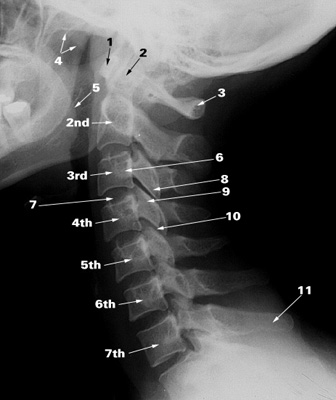
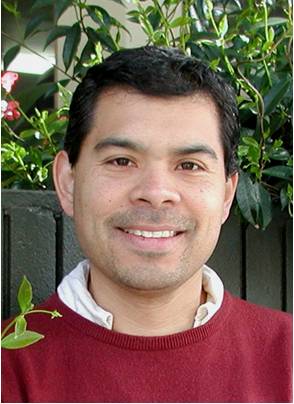 This, in combination with soft tissue work to support the improvement in vertebral alignment, will take your neck work a step further. For class details please click on the link below at:
Source: https://myemail.constantcontact.com/Massage-Continuing-Ed--Seattle-Class-Listings.html?soid=1102356563887&aid=64Aw3SNqXTg
0 Response to "Continuing Education for Massage Practicioners Seattle"
Post a Comment